
Solar Panels in Netherlands 2026: Complete Guide for Dutch Homeowners
Updated: August 2026
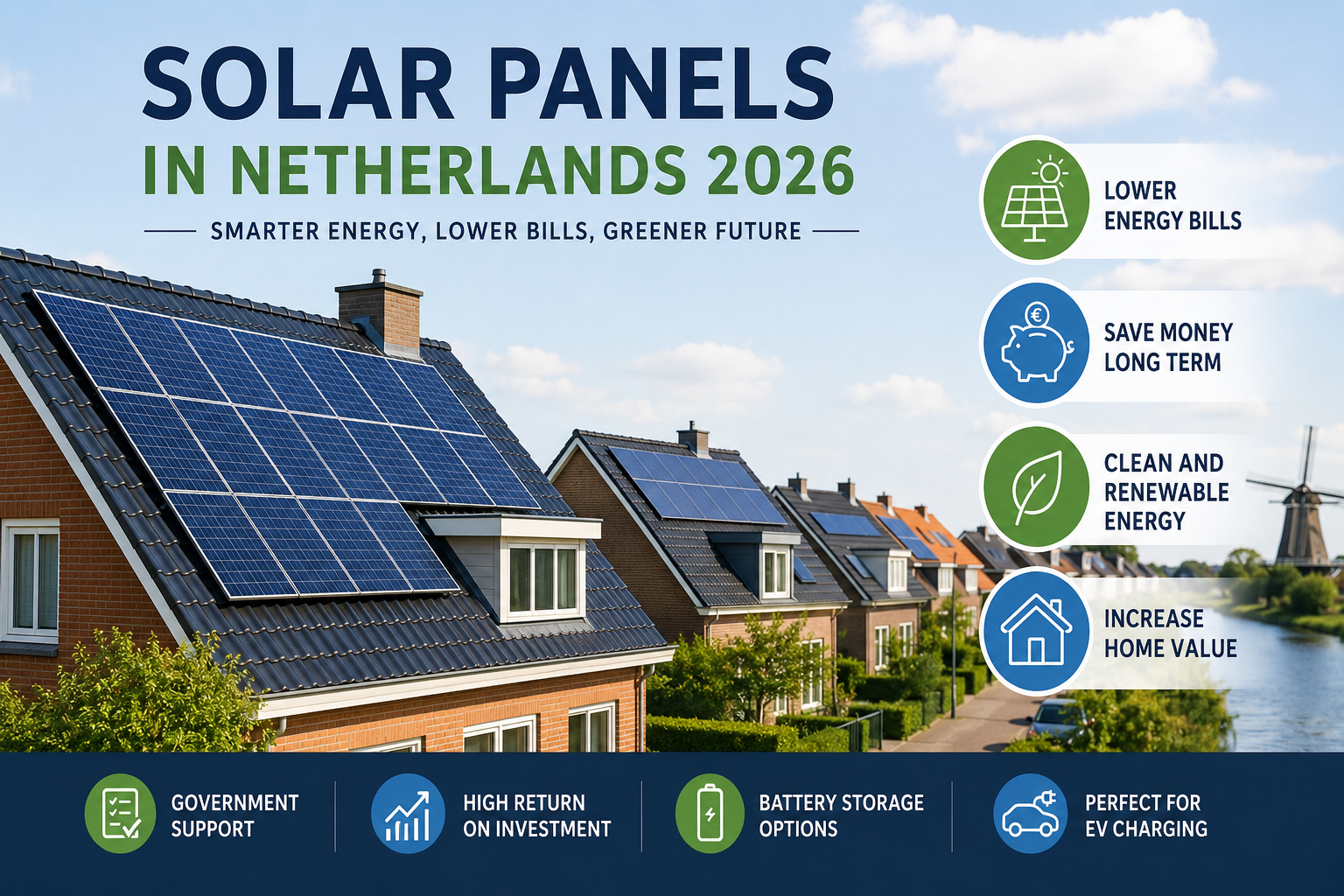
If you are planning to install Solar Panels in Netherlands 2026, this guide is for you. It explains the latest installation costs, potential savings, roof suitability, and the new Dutch energy rules that may affect homeowners. Many people are now comparing solar systems not only by price but also by how much of the electricity they can use directly in their own homes.
One reason this topic has become so important is that many Dutch households are seeing solar-related charges listed separately on their energierekening (energy bill). Questions about vaste terugleverkosten, salderingsregeling, and exporting electricity back to the grid are becoming increasingly common.
The good news is that solar energy is still an attractive option for many households. The key is choosing a system that matches your electricity use and allows you to consume more of the power your panels generate. In this guide, you will learn about installation costs, expected savings, roof orientation, battery storage, and practical ways to reduce the impact of feed-in charges.
The market for Solar Panels in Netherlands 2026 is changing as homeowners focus more on self-consumption and energy independence. Instead of exporting large amounts of electricity, many families now want to use more of their solar power at home and reduce the amount of electricity they buy from the grid. For households looking to lower energy bills and gain greater control over their energy use, Solar Panels in Netherlands 2026 remain a practical long-term investment.
Table of Contents:
- Why Solar Energy Is Important in the Netherlands
- What Has Changed in 2026?
- How Solar Panels Work
- Are Solar Panels Still Worth It in 2026?
- Typical Costs in the Netherlands
- How Much Electricity Can Solar Panels Produce?
- Understanding Vaste Terugleverkosten
- How to Avoid Vaste Terugleverkosten Solar Panels
- Choosing the Right System Size
- Best Roof Orientation in the Netherlands
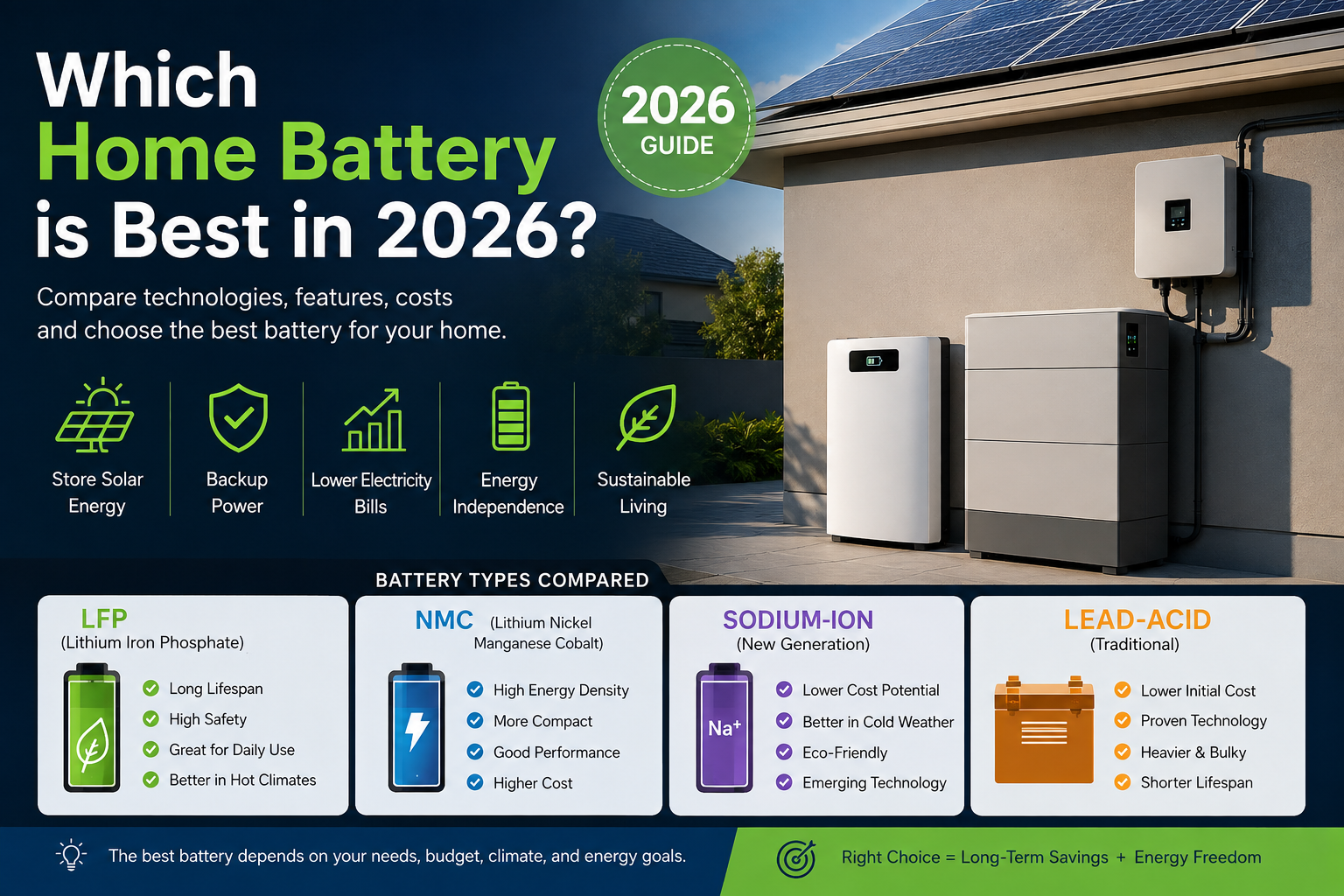
- Should You Install a Home Battery?
- Solar Panels for Apartments and Small Homes
- Choosing a Reliable Installer
- Maintenance and Lifespan
- Environmental Benefits
- Common Mistakes to Avoid
- Frequently Asked Questions
- Conclusion
Why Solar Energy Is Important in the Netherlands
The Netherlands has become one of Europe’s strongest rooftop solar markets. Solar panels are now common on terraced houses, detached homes, farms, and commercial buildings. Although the country is not known for intense sunshine, solar panels perform well because Dutch temperatures are relatively cool and daylight hours are long during spring and summer.
Homeowners usually install solar panels for three main reasons:
- lower electricity bills,
- protection from rising energy prices,
- reduced carbon emissions.
Another benefit is greater awareness of energy use. Many households start shifting electricity consumption to daytime hours after installation.
The rapid growth of Solar Panels in Netherlands 2026 shows how strongly Dutch households are adopting renewable energy.
What Has Changed in 2026?
The biggest change in 2026 is that homeowners are focusing much more on using the electricity they produce themselves. In the past, many homes with solar systems exported a large amount of extra electricity to the grid. Today, some Dutch energy suppliers charge a fixed fee, known as vaste terugleverkosten, when solar electricity is fed back into the grid.
Another important change is that the Dutch government is gradually ending the current net-metering system. As this system is phased out over the coming years, future savings will depend more on how much solar electricity is used directly at home rather than exported to the grid.
For households considering Solar Panels in Netherlands 2026, the focus is shifting from producing the maximum amount of electricity to producing and using electricity in a smarter way. Many homeowners are now trying to increase their eigen verbruik (self-consumption) so that more solar power is used inside the home.
When reading a Dutch energy contract, you may see terms such as vaste terugleverkosten, terugleververgoeding, and salderingsregeling. These terms refer to fixed feed-in charges, compensation for exported electricity, and the net-metering system. Understanding these terms is becoming increasingly important for anyone planning to install Solar Panels in Netherlands 2026.
How Solar Panels Work?
Solar panels contain photovoltaic cells that convert sunlight into electricity. The electricity first powers appliances in your home. Any unused electricity is exported to the public grid.
A typical residential system includes:
- solar panels,
- mounting rails,
- an inverter,
- electrical protection equipment,
- a monitoring system.
The inverter converts the electricity produced by the panels into the type of electricity used by household appliances.
Understanding how electricity flows through Solar Panels in Netherlands 2026 helps homeowners estimate their real savings.
Are Solar Panels Still Worth It in 2026?
For many Dutch households, yes. A well-designed system can continue to provide attractive long-term savings.
Solar Panels in Netherlands 2026 remain especially worthwhile when:
- you own your home,
- your roof receives good sunlight,
- you use a moderate to high amount of electricity,
- you plan to stay in the property for several years,
- you can use electricity during the day.
Homes with electric vehicles, heat pumps, or home offices often benefit even more because daytime electricity use is higher.
Financial calculations for Solar Panels in Netherlands 2026 are different from those used a few years ago.
Households with electric vehicles often gain extra value from Solar Panels in 2026 because daytime electricity consumption is higher.
One advantage of Solar Panels in 2026 is protection against future electricity price increases.
The long-term value of Solar Panels in 2026 depends on electricity usage patterns and energy contract conditions.
Example: Is Solar Worth It in the Netherlands in 2026?
Suppose a Dutch home installs a 4 kWp solar panel system costing about €5,000. If the system generates around 3,800 kWh of electricity per year, and we use an example electricity value of €0.30 per kWh, the annual value would be:
3,800 kWh × €0.30 = €1,140 per year
At this simple rate, the initial €5,000 investment would take about:
€5,000 ÷ €1,140 = 4.4 years
But this is only a simple example. Your actual savings will depend on electricity prices, how much solar electricity you use yourself, system performance, and the compensation you receive for electricity exported to the grid.
The calculation also becomes more important in 2026 because the Netherlands’ salderingsregeling ends on December 31, 2026. From 2027, households will no longer be able to use net metering in the same way. This makes using more of your solar electricity at home increasingly important when calculating whether solar is worth it.
Typical Costs Solar Panels in Netherlands 2026.
Installed prices vary by roof type, installer, panel quality, and system size.
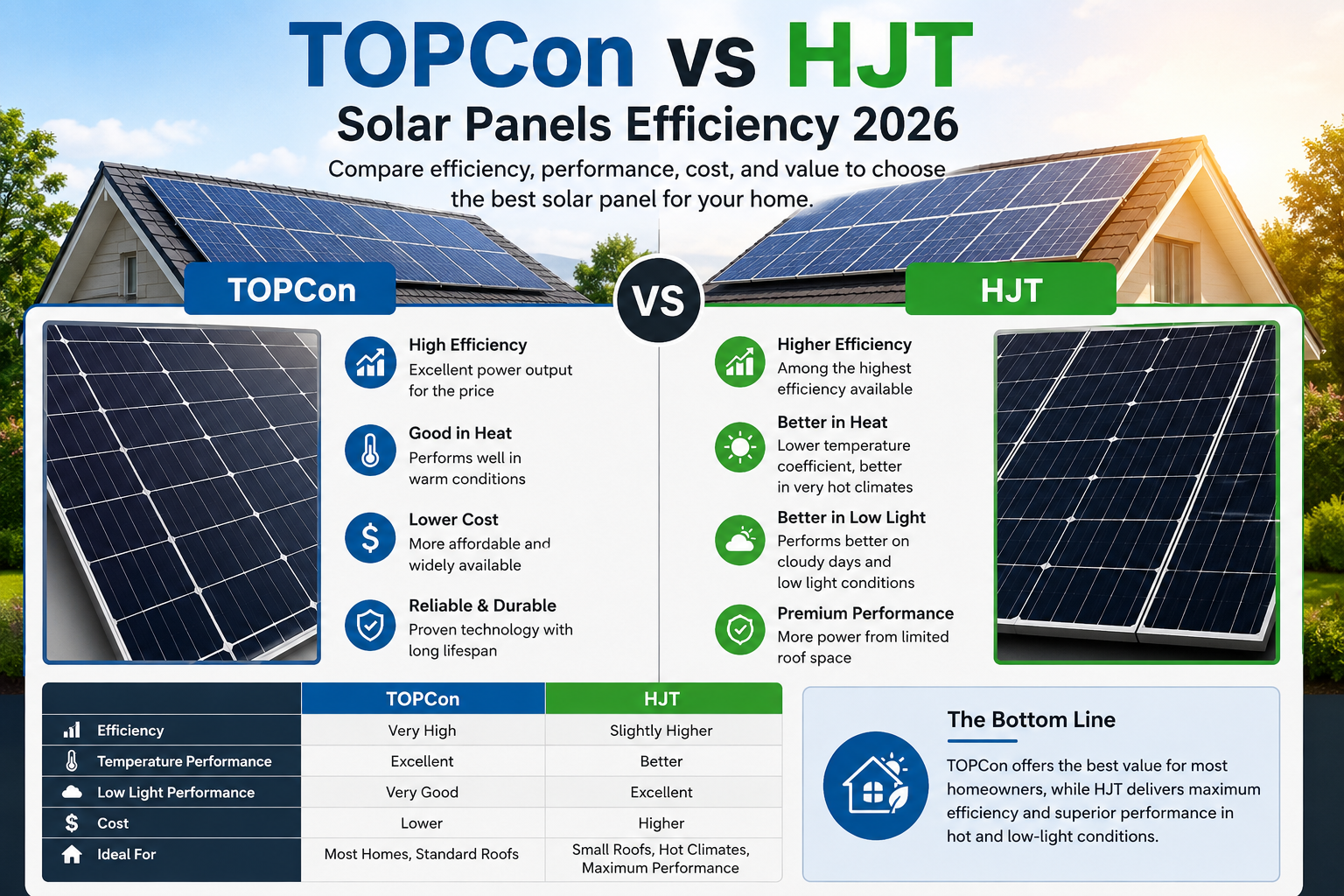
A small home system is generally less expensive than a large family system. Flat roofs may require additional mounting structures, which can increase installation costs. Premium panels with higher efficiency usually cost more but can be useful when roof space is limited.
When comparing quotations, look beyond the headline price. Check:
- panel brand and efficiency,
- inverter type,
- warranty terms,
- expected annual production,
- monitoring features,
- installation workmanship.
The cheapest quote is not always the best long-term value.
Installation prices for Solar Panels in Netherlands vary mainly by roof type and system size.
Before buying Solar Panels in Netherlands , compare at least three professional quotations.
How Much Electricity Can Solar Panels Produce?
Production depends on roof orientation, shading, panel efficiency, and location within the Netherlands.
As a rough guide:
- a small system can cover a large share of a low-consumption household,
- a medium system suits many typical family homes,
- a larger system is useful for homes with electric vehicles or heat pumps.
South-facing roofs usually produce the most electricity annually, while east-west roofs spread production over a longer part of the day.
The performance of Solar Panels in Netherlands 2026 depends heavily on roof orientation, shading, and available roof space.
Annual output from Solar Panels in Netherlands 2026 depends heavily on shading and roof orientation.
East-west layouts can improve the daily production profile of Solar Panels in Netherlands 2026.
Understanding Vaste Terugleverkosten.
Many homeowners find it difficult to compare energy contracts because solar-related charges are not always presented in the same way by every supplier.
Vaste terugleverkosten are fees that some Dutch energy suppliers charge when customers export electricity to the grid. The amount of these fees and the method used to calculate them can vary significantly from one supplier to another.
These charges are important because they reduce the financial value of exported electricity. As a result, using the electricity generated by your own solar panels has become more valuable than it was in the past.
When comparing energy suppliers, homeowners interested in Solar Panels in Netherlands 2026 should pay close attention to feed-in charges, export compensation, and the conditions attached to exporting electricity.
Feed-in charges are now an important part of calculating whether Solar Panels in Netherlands 2026 will provide good financial returns. A contract with a slightly higher electricity price may still be the better option if the solar-related charges are lower.
Before signing an energiecontract, always read the supplier’s solar conditions carefully. Understanding these details can make a noticeable difference to the long-term savings from Solar Panels in Netherlands 2026.
How to Avoid Vaste Terugleverkosten Solar Panels
A common question in 2026 is how to avoid vaste terugleverkosten solar panels. In practice, the goal is usually to reduce exported electricity as much as possible.
Use appliances during sunny hours:
Run energy-intensive appliances during the day:
- washing machine,
- dishwasher,
- tumble dryer,
- electric water heater,
- heat pump,
- electric vehicle charger.
Choose a system that matches your consumption:
An oversized system may export large amounts of electricity. A system designed around your actual annual electricity use is often more economical.
Use smart scheduling:
Timers and smart home controls can automatically start appliances when solar production is high.
Charge an electric vehicle during the day:
Daytime EV charging is one of the most effective ways to consume your own solar electricity.
Compare energy suppliers carefully:
Feed-in charges differ significantly between suppliers. A contract with a slightly higher electricity price may still be cheaper overall if solar-related charges are lower.
Consider battery storage:
A battery can store excess solar electricity for evening use, although the financial benefit depends on battery price and household consumption patterns.
Suppose a household in Utrecht produces extra electricity at 1:00 PM. Instead of sending it back to the grid, they run the vaatwasser (dishwasher) and wasmachine (washing machine). This increases self-consumption and can reduce exported electricity.
The best strategy for Solar Panels in 2026 is usually to reduce exported electricity.
Smart appliance scheduling can improve the economics of Solar Panels in Netherlands 2026 .
Real Dutch Home Examples.
Amsterdam:
A homeowner in Amsterdam with limited roof space may choose high-efficiency solar panels to get the most electricity from a smaller rooftop.
Rotterdam:
In Rotterdam, many homes have flat roofs, so installers often use tilted mounting systems to improve solar production throughout the year.
Utrecht:
A family in Utrecht may run the vaatwasser (dishwasher) and wasmachine (washing machine) during sunny afternoon hours to increase self-consumption and reduce exported electricity.
Eindhoven:
In Eindhoven, households with an elektrische auto often charge the car between late morning and early afternoon when solar production is highest.
Den Haag:
Apartment owners in Den Haag may participate in a shared rooftop solar project through the VvE (Vereniging van Eigenaars).
Groningen:
Homeowners in Groningen often compare energiecontracten carefully because lower vaste terugleverkosten can improve the overall financial return from solar panels.
Choosing the Right System Size.
Bigger is not always better.
Start by checking your annual electricity consumption from your energy bill. Then discuss future changes with the installer, such as:
- purchasing an electric car,
- installing a heat pump,
- adding air conditioning,
- working from home more often.
A system that closely matches expected future consumption usually provides the best balance between savings and exported electricity.
A well-sized system is often more efficient than installing the maximum number of Solar Panels in Netherlands 2026 that can fit on the roof.
A correctly sized system often performs better financially than oversized Solar Panels in Netherlands .
Best Roof Orientation in the Netherlands.
South-facing roof:
- highest annual production,
- best when roof space is limited.
East-west roof:
- slightly lower annual production,
- better spread of electricity throughout the day,
- can improve self-consumption.
Flat roof:
- flexible orientation,
- good option for many Dutch homes.
For households focused on reducing feed-in charges, east-west systems can sometimes be particularly attractive because they produce less electricity at the midday peak and more during morning and evening hours.
Roof direction is one of the most important design decisions for Solar Panels in 2026.
Should You Install a Home Battery?
Home batteries are becoming more popular, but they are not essential for every household.
Possible advantages:
- higher self-consumption,
- reduced grid exports,
- better use of dynamic electricity tariffs,
- backup power in some systems.
Possible disadvantages:
- high upfront cost,
- limited economic return for some households,
- battery replacement in the future.
A battery is usually more attractive when evening electricity use is high and daytime exports are significant.
A homeowner in Eindhoven who charges an elektrische auto between 11:00 AM and 3:00 PM can often use more solar electricity directly and send less power back to the grid.
Some homeowners pair batteries with Solar Panels in 2026 to increase self-consumption.
Solar Panels for Apartments and Small Homes.
Apartment residents may still have options:
- panels on a private roof terrace,
- a shared building installation through the homeowners’ association,
- participation in a community solar project,
- small balcony solar systems where allowed.
In many Dutch apartment buildings, the VvE (Vereniging van Eigenaars) may approve a shared rooftop solar project so residents can benefit from solar energy together.
Always check building rules and local electrical requirements before installation.
Apartment residents are also exploring VvE and community projects.
Choosing a Reliable Installer.
A good installer is one of the most important factors in long-term performance.
Ask for:
- a detailed written quotation,
- a roof layout drawing,
- annual production estimates,
- equipment model numbers,
- warranty details,
- information about permits and grid connection.
It is wise to obtain at least three quotations before making a decision.
When comparing installers, homeowners interested in Solar Panels in Netherlands 2026 should review warranties and after-sales support.
Maintenance and Lifespan.
Solar panels require relatively little maintenance.
Simple annual checks include:
- looking for visible dirt or damage,
- checking that leaves or debris are not blocking drainage,
- reviewing the monitoring app for unusual drops in production.
Rain often removes much of the dust found on Dutch rooftops. Professional cleaning is usually only necessary when production has clearly decreased due to dirt.
Quality solar panels commonly continue producing electricity for decades, and many manufacturers provide long performance warranties.
Proper maintenance helps Solar Panels in Netherlands 2026 maintain strong performance for many years.
Environmental Benefits.
Solar panels generate electricity without direct emissions during operation. Over their lifetime they generally reduce greenhouse gas emissions compared with electricity generated from fossil fuels.
Additional environmental benefits include:
- lower air pollution,
- reduced dependence on imported fossil fuels,
- support for the renewable energy transition,
- increased public awareness of energy use.
The environmental value of Solar Panels in 2026 extends beyond lower electricity bills.
The environmental benefits of Solar Panels in 2026 include lower carbon emissions and cleaner energy generation.
Many experts believe that Solar Panels will continue to play a major role in the country’s renewable energy transition.
Common Mistakes to Avoid.
Installing too many panels: A very large system may increase exported electricity and reduce financial efficiency.
Ignoring feed-in charges: Always compare total annual energy costs, not just electricity prices.
Installing on an old roof: Roof repairs after installation are more expensive.
Choosing only on price: Workmanship and warranty quality matter.
Forgetting future electricity demand: Plan for electric vehicles or heat pumps if you expect to add them later.
Not checking shading: Even partial shading can reduce output.
Frequently Asked Questions.
1. Are solar panels still worth it in the Netherlands in 2026?
Yes, solar panels can still be worth it in the Netherlands in 2026. However, homeowners should consider the end of the salderingsregeling on December 31, 2026, along with installation costs, electricity prices and how much solar power they use themselves.
2. Zijn zonnepanelen in Nederland nog rendabel in 2026?
Ja, zonnepanelen kunnen in Nederland in 2026 nog steeds rendabel zijn. De terugverdientijd hangt onder andere af van de installatiekosten, de hoeveelheid opgewekte stroom, het eigen verbruik en de vergoeding voor teruggeleverde elektriciteit.
3. When does the salderingsregeling end in the Netherlands?
The Dutch salderingsregeling ends on December 31, 2026. From January 1, 2027, households can no longer use the current net-metering system to offset exported solar electricity against electricity used later. Dutch government information on the salderingsregeling
4. Wat verandert er met zonnepanelen vanaf 2027?
Vanaf 1 januari 2027 stopt de salderingsregeling. Zonnepanelen blijven gewoon elektriciteit opwekken, maar teruggeleverde stroom kan niet meer op dezelfde manier worden verrekend met het eigen verbruik. Hierdoor wordt eigen verbruik van zonnestroom belangrijker.
5. Is it still smart to buy solar panels in 2026?
It can still make sense, but the decision should not be based only on the old net-metering benefit. Compare the solar panel cost, expected electricity production, household consumption and future compensation for exported electricity before buying.
6. Hoeveel besparen zonnepanelen in Nederland?
Hoeveel je bespaart met zonnepanelen hangt af van het aantal panelen, de jaarlijkse opbrengst, je elektriciteitsverbruik en hoeveel zonnestroom je direct zelf gebruikt. Daarom kan de besparing per huishouden sterk verschillen.
7. Do solar panels work on cloudy days in the Netherlands?
Yes. Solar panels still produce electricity when the weather is cloudy, although their output is lower than on bright sunny days. The Netherlands can still be suitable for solar because panels generate electricity throughout the year.
8. Is een thuisbatterij nodig bij zonnepanelen?
Nee, een thuisbatterij is niet verplicht bij zonnepanelen. However, after the end of the salderingsregeling, a battery may become an option for some households that want to use more of their own solar electricity instead of exporting it to the grid.
9. How much electricity do solar panels produce in the Netherlands?
Production depends on the system size, roof direction, shading, panel efficiency and local weather conditions. A properly designed system can generate a significant amount of electricity over the year, but actual production varies from home to home.
10. Is het verstandig om in 2026 zonnepanelen te kopen?
Dat kan zeker nog verstandig zijn, maar het is belangrijk om naar de totale investering en het toekomstige rendement te kijken. Vooral vanaf 2027 worden eigen verbruik en de vergoeding voor teruggeleverde stroom belangrijker bij het berekenen van de financiële voordelen.
Conclusion:
Solar Panels in Netherlands 2026 remain a practical option for many households because they can reduce electricity bills and support a cleaner environment. The best results usually come from a system that is designed around the home’s electricity use rather than one that exports large amounts of power to the grid.
The homeowners who benefit most from Solar Panels in Netherlands 2026 are typically those who:
- use more electricity during the day,
- choose a system that is the right size for their home,
- compare energy suppliers carefully,
- avoid exporting excessive electricity,
- plan for future energy needs such as electric vehicles or heat pumps.
For many Dutch families, the smartest approach in 2026 is not simply adding more panels. A better strategy is to increase eigen verbruik (self-consumption) by using electricity during sunny hours whenever possible.
Understanding how to avoid vaste terugleverkosten solar panels is becoming increasingly important. By using more of the electricity they generate and selecting the right energiecontract, homeowners can improve their savings and reduce the impact of feed-in charges.
If you are considering Solar Panels in Netherlands 2026, start by checking your annual electricity consumption, the condition of your roof, and the solar terms offered by your energy supplier. A well-planned installation can continue to provide financial and environmental benefits for many years.
Overall, Solar Panels in Netherlands 2026 remain a strong long-term investment for many Dutch households. Homeowners who maximize self-consumption usually achieve the best financial results while also supporting the Netherlands’ transition to cleaner energy.
A carefully planned Solar Panels in 2026 installation can provide savings and cleaner energy for decades.
About the Author:
I am not a professional expert in sustainable technology, renewable energy, climate science, or environmental policy. I regularly read information from trusted public sources such as government websites, research organizations, educational institutions, newspapers, technical reports, and other publicly available resources. The purpose of these articles is to collect practical information in simple language and present it in a way that helps readers understand sustainability-related topics more easily and make informed decisions in everyday life.
TOPCon vs HJT Solar Panels Efficiency 2026