
Eco Friendly Lifestyle: Simple Ways to Live More Sustainably Every Day
Updated: August 2026
Many people think an eco friendly lifestyle is difficult, expensive, or only for environmental experts. In reality, it is simply a way of living that creates less waste, uses fewer resources, and causes less harm to nature. You do not need to change your entire life overnight. Small daily habits can make a real difference over time.
An eco friendly lifestyle can help you save energy, reduce household bills, cut down on waste, and create a healthier home. It also supports cleaner air, cleaner water, and a more sustainable future for the next generation. Whether you live in the USA, the UK, Europe, or anywhere else in the world, the basic principles are very similar.
The easiest place to start is with the choices you make every day: the food you eat, the electricity you use, the products you buy, and the way you travel. This guide explains practical steps that ordinary people can follow without special knowledge or a large budget.
Table of Contents
- What Is an Eco Friendly Lifestyle?
- Why Sustainable Living Matters
- Easy Habits You Can Start Today
- Saving Energy at Home.
- Green Technology at Home
- A Simple 30-Day Eco Friendly Lifestyle Plan
- Common Mistakes to Avoid
- Eco Friendly Living in Different Countries
- Frequently Asked Questions
- Conclusion
What Is an Eco Friendly Lifestyle?
An eco friendly lifestyle is a way of living that helps protect the environment by reducing waste, saving energy, conserving water, and using natural resources responsibly. The goal of an eco friendly lifestyle is not to be perfect; it is to make smarter everyday choices that have a lower impact on the planet.
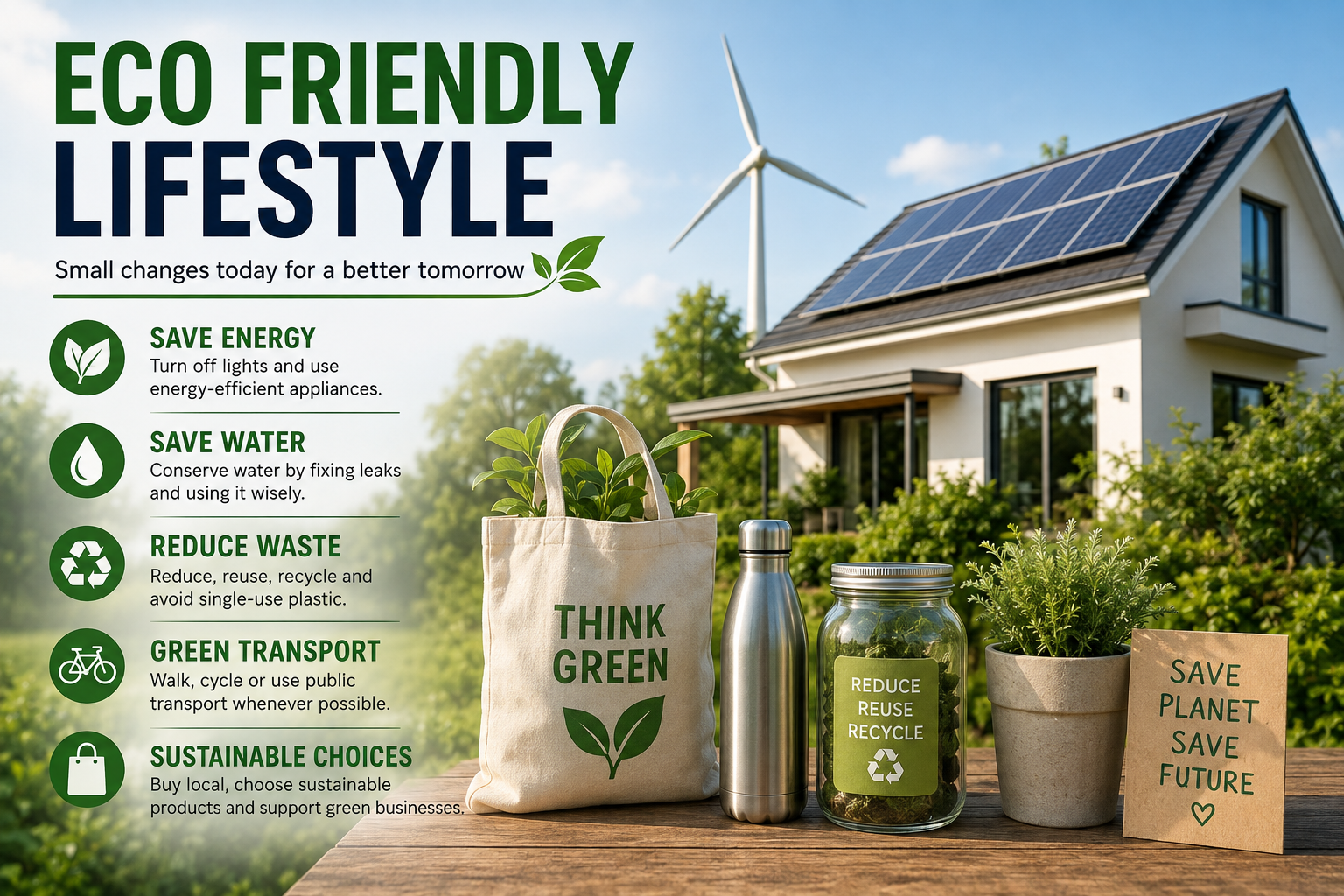
In an eco friendly lifestyle, people often choose reusable products instead of disposable ones, use energy-efficient lighting and appliances, recycle correctly, and avoid unnecessary plastic. Simple habits such as carrying a reusable water bottle, turning off lights when leaving a room, walking for short trips, and planning meals to reduce food waste are easy examples of an eco friendly lifestyle.
An eco friendly lifestyle also encourages people to think carefully before buying new products. Choosing durable items, repairing things instead of replacing them, and buying only what is needed can reduce waste and save money. Many households find that an eco friendly lifestyle not only benefits the environment but also lowers electricity, water, and fuel bills.
The term environmentally friendly lifestyle has the same meaning as eco friendly lifestyle. Both describe a practical and sustainable way of living that supports cleaner air, cleaner water, healthier communities, and a better future for the next generation. Small daily actions can make a meaningful difference when practiced consistently over time.
Examples include:
- Using less electricity
- Conserving water
- Reducing plastic waste
- Buying durable products
- Walking or cycling when possible
- Eating more plant-based meals
- Recycling correctly
- Choosing renewable energy when available
The phrase environmentally friendly lifestyle means the same thing. Both describe a way of living that is more sustainable and less harmful to the planet.
The important thing to remember is that sustainable living is not about being perfect. It is about making better choices more often.
Why Sustainable Living Matters
Sustainable living matters because the choices we make every day affect the environment, our health, and future generations. An eco friendly lifestyle helps reduce pollution, save natural resources, and lower the amount of waste that goes to landfills. When millions of people adopt even small eco-friendly habits, the combined impact can be significant.
Energy use, transportation, food waste, and shopping habits all contribute to environmental problems such as climate change, air pollution, and water shortages. By using less electricity, conserving water, reducing food waste, and choosing reusable products, an eco friendly lifestyle can help lower greenhouse gas emissions and reduce pressure on natural resources.
Sustainable living also has personal benefits. Many eco-friendly habits save money over time. LED bulbs use less electricity, reusable bottles reduce spending on disposable drinks, and planning meals can cut grocery costs by reducing food waste. A more environmentally friendly lifestyle often encourages healthier habits such as cooking at home, eating more fresh foods, walking, and cycling.
Most importantly, sustainable living is about long-term thinking. The resources we use today should still be available for future generations. Choosing an eco friendly lifestyle is a practical way to protect the environment while creating a healthier, more affordable, and more resilient way of life for ourselves and our communities.
Many people discover that an eco friendly lifestyle is not only good for the environment but also good for their finances and well-being.
Easy Habits You Can Start Today
If you are new to sustainable living, begin with very simple actions.
- Carry a reusable water bottle.
- Take a reusable shopping bag when you go to the store.
- Turn off lights when leaving a room.
- Unplug chargers when they are not in use.
- Wash clothes in cold water when suitable.
- Air-dry clothes when possible.
- Take shorter showers.
- Plan meals before shopping.
- Walk for short trips instead of driving.
- Choose products with less packaging.
These habits require little effort and can quickly become part of your daily routine.
Saving Energy at Home.
Energy use is one of the biggest environmental impacts for many households. Reducing energy consumption is one of the most effective eco friendly lifestyle changes.
Saving energy at home is one of the easiest and most effective ways to follow an eco friendly lifestyle. Most households use electricity every day for lighting, cooling, heating, cooking, and electronic devices. By using energy more efficiently, you can reduce your environmental impact and lower monthly utility bills at the same time.
Use LED lighting:
Switching to LED bulbs is a simple step in an eco friendly lifestyle. LEDs use less electricity and last longer than traditional bulbs.
Improve heating and cooling efficiency:
- Keep doors and windows closed when heating or cooling your home.
- Use curtains or blinds to reduce heat loss in winter and heat gain in summer.
- Set your thermostat a little lower in winter and a little higher in summer.
- Clean heating and cooling filters regularly.
Use appliances wisely:
- Run dishwashers and washing machines only with full loads.
- Turn appliances off completely instead of leaving them on standby.
- Choose energy-efficient appliances when replacing old ones.
Insulate your home:
Good insulation can reduce heating and cooling needs for many years. Even simple draft-proofing around doors and windows can help.
Reducing energy use lowers both carbon emissions and household expenses, making it one of the smartest sustainability investments.
Everyday Habits for an Eco Friendly Lifestyle.
An eco friendly lifestyle becomes much easier when you focus on small habits that you can follow every day. Food choices, water use, plastic use, travel, and shopping are the areas where most households can reduce their environmental impact without spending a lot of money.
Choosing Sustainable Food:
Food is an important part of an eco friendly lifestyle. Simple changes in your diet can reduce waste and support more sustainable living.
- Eat more vegetables, fruits, beans, and whole grains.
- Plan meals before shopping.
- Buy only the food you expect to eat.
- Use leftovers for another meal.
- Choose seasonal produce when available.
These habits help reduce food waste and support a more environmentally friendly lifestyle.
Reducing Water Waste:
Saving water is a practical step in an eco friendly lifestyle because fresh water is a valuable resource.
- Turn off the tap while brushing your teeth.
- Take shorter showers.
- Fix leaking taps quickly.
- Run washing machines only with full loads.
- Water plants early in the morning or evening.
Even small water-saving habits can make a noticeable difference over time.
Using Less Plastic:
Reducing plastic waste is one of the easiest ways to follow an eco friendly lifestyle.
- Carry a reusable water bottle.
- Take a cloth shopping bag.
- Use reusable food containers.
- Avoid disposable cutlery and cups.
- Choose products with less packaging.
These simple swaps can reduce household waste and keep plastic out of the environment.
Eco-Friendly Travel and Transport:
Transportation choices have a direct effect on fuel use and air pollution. An eco friendly lifestyle encourages cleaner travel options whenever possible.
- Walk for short trips.
- Use a bicycle for nearby errands.
- Choose public transport when available.
- Share rides with family or friends.
- Combine several errands into one trip.
Replacing even a few car trips each week can reduce fuel consumption and save money.
Smarter Shopping and Sustainable Fashion:
Shopping thoughtfully is an important part of an eco friendly lifestyle because every product uses energy, water, and materials before it reaches your home.
- Buy only what you need.
- Choose durable products that last longer.
- Repair items instead of replacing them.
- Buy second-hand clothing or household goods when possible.
- Donate or sell items you no longer use.
A more thoughtful approach to shopping creates less waste and supports a more environmentally friendly lifestyle.
Quick Daily Eco Friendly Lifestyle Checklist:
- Reusable bottle used
- Cloth bag carried
- Lights turned off when not needed
- No unnecessary plastic used
- Food waste avoided
- Water saved
- Walked, cycled, or used public transport
You do not need to follow every habit perfectly. The goal of an eco friendly lifestyle is to make better choices consistently. Small actions repeated every day can lead to a healthier home, lower household expenses, and a more sustainable future.
Green Technology at Home.
Green technology can make an eco friendly lifestyle easier and more effective. Many modern home technologies are designed to use less energy, reduce waste, and help households live more sustainably. You do not need to install expensive systems immediately; even small technology upgrades can support an eco friendly lifestyle.
Energy-Efficient Lighting: LED bulbs are one of the simplest green technology upgrades. They use less electricity and last much longer than traditional bulbs.
Smart Thermostats: A smart thermostat can help control heating and cooling more efficiently by adjusting temperatures automatically when rooms are not being used.
Energy-Efficient Appliances:
When replacing old appliances, choose energy-efficient models such as refrigerators, washing machines, and air conditioners. Efficient appliances use less electricity and water.
Solar Power: Solar panels can generate renewable electricity from sunlight and reduce dependence on fossil-fuel-based electricity where solar systems are suitable and available.
Home Energy Monitoring: Energy-monitoring devices can show how much electricity different appliances use. This helps families identify areas where they can save energy and improve their eco friendly lifestyle.
Rechargeable Devices:Using rechargeable batteries and rechargeable household devices can reduce waste from disposable batteries.
Green technology works best when combined with good daily habits such as turning off unused devices, using natural light, and reducing unnecessary energy use. An eco friendly lifestyle is not only about buying new technology; it is about using technology wisely to create a cleaner, more energy-efficient, and more sustainable home.
A Simple 30-Day Eco Friendly Lifestyle Plan.
Week 1: Observe:
- Check your electricity and water bills.
- Notice where you create the most waste.
- Identify appliances that are always plugged in.
Week 2: Easy changes:
- Start carrying a reusable bottle and bag.
- Turn off standby electronics.
- Replace one disposable product with a reusable alternative.
Week 3: Food and travel:
- Cook three plant-based meals.
- Plan meals for the week.
- Replace at least two car trips with walking or public transport.
Week 4: Long-term improvements:
- Install LED bulbs if needed.
- Seal drafts around doors and windows.
- Research renewable electricity or solar options in your area.
- Set a monthly sustainability goal.
This gradual approach is easier to maintain than trying to change everything at once.
Common Mistakes to Avoid.
Many people start an eco friendly lifestyle with good intentions, but some common mistakes can make sustainable living harder or less effective. Avoiding these mistakes can help you build an eco friendly lifestyle that is practical and long-lasting.
Trying to Change Everything at Once: One of the biggest mistakes is attempting too many changes at the same time. Start with a few simple habits and add more gradually.
Buying Unnecessary “Eco” Products: An eco friendly lifestyle is not about buying new products constantly. If something you already own works well, continue using it instead of replacing it immediately.
Focusing Only on Small Changes: Reusable straws and shopping bags are helpful, but larger actions such as saving energy, reducing car travel, and cutting food waste usually have a bigger environmental impact.
Recycling Incorrectly: Placing non-recyclable items in recycling bins can create contamination. Follow your local recycling guidelines carefully.
Wasting Food: Buying too much food and throwing it away is a common mistake. Plan meals, store food properly, and use leftovers whenever possible.
Ignoring Energy Use: Leaving lights, fans, televisions, and chargers on unnecessarily can increase electricity use. Turning devices off when not needed is an easy part of an eco friendly lifestyle.
Expecting Perfection: No one follows an eco friendly lifestyle perfectly every day. The goal is consistent improvement, not perfection. Small sustainable habits practiced regularly are more valuable than short periods of extreme effort.
Avoiding these mistakes will help make your eco friendly lifestyle more affordable, less stressful, and easier to maintain over time.
Eco Friendly Living in Different Countries.
An eco friendly lifestyle can look different from one country to another because climate, energy systems, transportation, and housing styles are not the same everywhere. However, the main goal is always the same: use resources wisely and create less waste.
United States:
In many parts of the USA, home heating, air conditioning, and car travel use a large amount of energy. An eco friendly lifestyle often focuses on improving home insulation, using energy-efficient cooling systems, driving less, and choosing renewable electricity where available.
United Kingdom:
In the UK, home heating is usually one of the biggest household energy expenses. Better insulation, efficient heating systems, shorter showers, and public transport are common ways to support an eco friendly lifestyle.
Europe:
Many European cities have good public transport and cycling infrastructure. Walking, cycling, and using trains or buses can be easier than driving, making a low-carbon eco friendly lifestyle more practical for many people.
India and Other Warm-Climate Countries:
In warmer regions, reducing cooling demand is especially important. Using natural ventilation, ceiling fans, shade, energy-efficient appliances, and water-saving habits can support an eco friendly lifestyle while keeping homes comfortable.
What Is Common Everywhere?
No matter where you live, these habits support an eco friendly lifestyle:
- Save energy.
- Conserve water.
- Reduce food waste.
- Use reusable products.
- Recycle correctly.
- Buy only what you need.
The best eco friendly lifestyle is one that fits your local climate, budget, and daily routine. Sustainable living does not need to look identical in every country to make a positive environmental difference.
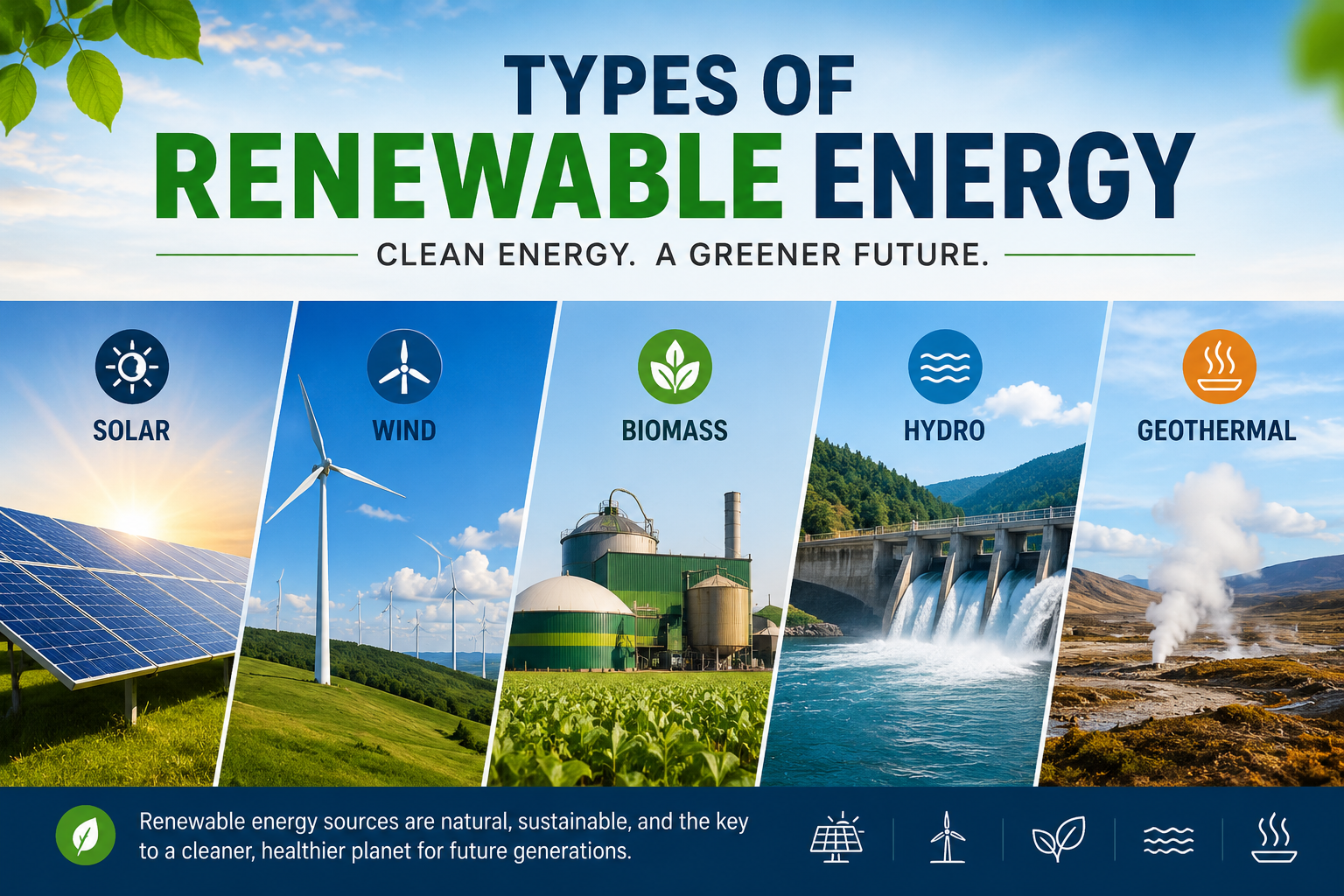
types of renewable energy

solar panels for home cost
Recommended External Resources.
For readers who want to learn more about sustainable living, energy efficiency, renewable energy, and environmental protection, these official organizations provide reliable information:
- International Energy Agency (IEA) – https://www.iea.org/
- United Nations Environment Programme (UNEP) – https://www.unep.org/
- European Environment Agency (EEA) – https://www.eea.europa.eu/
- U.S. Environmental Protection Agency (EPA) – https://www.epa.gov/
- Energy Saving Trust (UK) – https://energysavingtrust.org.uk/
- World Health Organization (WHO) – https://www.who.int/
These organizations publish evidence-based information and are useful for readers who want to explore topics related to an eco friendly lifestyle in greater detail.
Frequently Asked Questions.
1.What is the easiest eco friendly habit to start with?
Using reusable shopping bags and a reusable water bottle is one of the easiest first steps.
2.Is an eco friendly lifestyle expensive?
Not necessarily. Many sustainable habits save money, such as reducing electricity use, wasting less food, and buying fewer disposable products.
3.Do I need solar panels to live sustainably?
No. Energy efficiency and reduced consumption are often the most important first steps.
4.What is the difference between eco friendly and environmentally friendly?
In everyday use, there is essentially no difference. Both terms describe actions that reduce environmental harm.
5.Does recycling solve the waste problem?
Recycling helps, but reducing and reusing are generally more effective.
6.Can one person really make a difference?
Yes. Individual choices influence household demand, social norms, and market trends. Large changes often begin with many small actions.
7.What is the most impactful change for most households?
Improving home energy efficiency and reducing car travel usually have a larger impact than small product substitutions.
8.Is eating less meat enough to be sustainable?
Eating less meat can help, but sustainability also involves energy use, transportation, waste reduction, and overall consumption habits.
Conclusion
An eco friendly lifestyle is not about living perfectly or giving up modern comforts. It is about making practical choices that reduce waste, save energy, conserve water, and protect natural resources.
Start with a few simple habits: use reusable products, reduce energy waste, plan meals, and choose low-waste options when shopping. Once those habits become normal, add larger improvements such as better insulation, renewable electricity, or more sustainable transport.
The most successful environmentally friendly lifestyle is one that you can maintain for years. Small consistent actions are far more powerful than short periods of extreme effort. Begin with one change today, build on it next week, and over time you will create a lifestyle that is better for both your household and the planet.
About the Author:
I am not a professional expert in sustainable technology or renewable energy. I regularly read information from trusted public sources such as government websites, research organizations, newspapers, educational videos, and other publicly available resources. The purpose of this article is to collect practical information in simple language and present it in a way that helps readers understand and start an eco friendly lifestyle more easily.